What is Audit Evidence? Defining Evidence in GRC Systems
Understand what qualifies as audit evidence in GRC systems and how evidence is collected, evaluated, and used to support compliance findings across multiple frameworks.
Manual audit reviews often fail to find the subtle gaps that increase risk. These errors lead to fines and loss of trust from board members. Firm proof of every control is the only way to stay safe.
Audit evidence is the data an auditor gathers to evaluate and verify a company's compliance or financial claims. It includes system logs, direct observations, and third-party records. Under Public Company Accounting Oversight Board (PCAOB) AS 1105, this evidence must be both sufficient (quantity) and appropriate (relevance and reliability) to support the final audit opinion.
Audit teams must know how to sort through large amounts of data to find the right proof. Learning the gap between useful data and noise is the first step toward a clean report. The path begins with The Core Definition of Audit Evidence.
The Core Definition of Audit Evidence
Audit evidence is the base of any audit. It is the data an auditor uses to reach a final finding. This data supports their view on a company's financial health or internal controls. The Public Company Accounting Oversight Board (PCAOB) defines this term in AS 1105. Under this standard, audit evidence covers every fact an auditor gets through their work or from other sources.
Facts Used for Findings
An auditor must plan their work to find enough good facts. These facts give them a firm base for their report. Audit evidence is not just a pile of papers. It covers every bit of data that helps an auditor decide if a company is following the rules. This might include system logs, bank records, or notes from talks with staff. Without strong evidence, an auditor cannot give a fair view. They need to find data that is both right for the task and easy to trust. This work shows if a company stays in line with mandates and its own goals. It also helps GRC teams find and fix risks before they grow. Solid facts are the only way to build a clear path to meeting rules.
Support and Conflict in Claims
Audit evidence must do two jobs. It should support what managers say about the firm. These claims usually cover financial health or how the firm controls its work. But good evidence does not just look for support. It also looks for data that might conflict with those claims. This balance is key to a fair and honest audit. Managers make several kinds of claims in their reports. These are known as assertions. For example, they might say a debt is paid or that a warehouse is full of stock. By looking for both support and conflict, the auditor gets a full view of the truth. This helps them find gaps in how the firm tracks its own work.
Assessing Quality and Quantity
Auditors look at two things when they gather data: quality and quantity. The PCAOB calls quality "appropriateness." This means the data must be relevant and reliable. Quantity is called "sufficiency." The amount of data an auditor needs depends on the risk. If a risk is high, they need more facts to be sure of the result. But more data does not always mean a better report. Getting more poor data cannot fix a lack of quality. This is why assessing audit evidenceis so vital. It helps auditors find big errors and keep the audit process strong. High quality facts are the only way to prove a firm meets frameworks like SOC 2, HIPAA, or ISO 27001.
What Are the Key Characteristics of Audit Evidence?
Audit evidence refers to the data used by an auditor to form a view. It includes info used to reach a final view on a firm's status. Under standard AS 1105 from the Public Company Accounting Oversight Board (PCAOB), this data must be both enough and right.
Proof must meet tests for both amount and worth. Auditors look for data that backs up or denies leader claims. The goal is a clear base for a skilled view. This task involves assessing audit evidence to see if it fits the goal.
If the data is weak, the report may fail to show the real state of the firm. Teams plan their work to find proof that is solid and deep. This ensures the final view is based on facts.
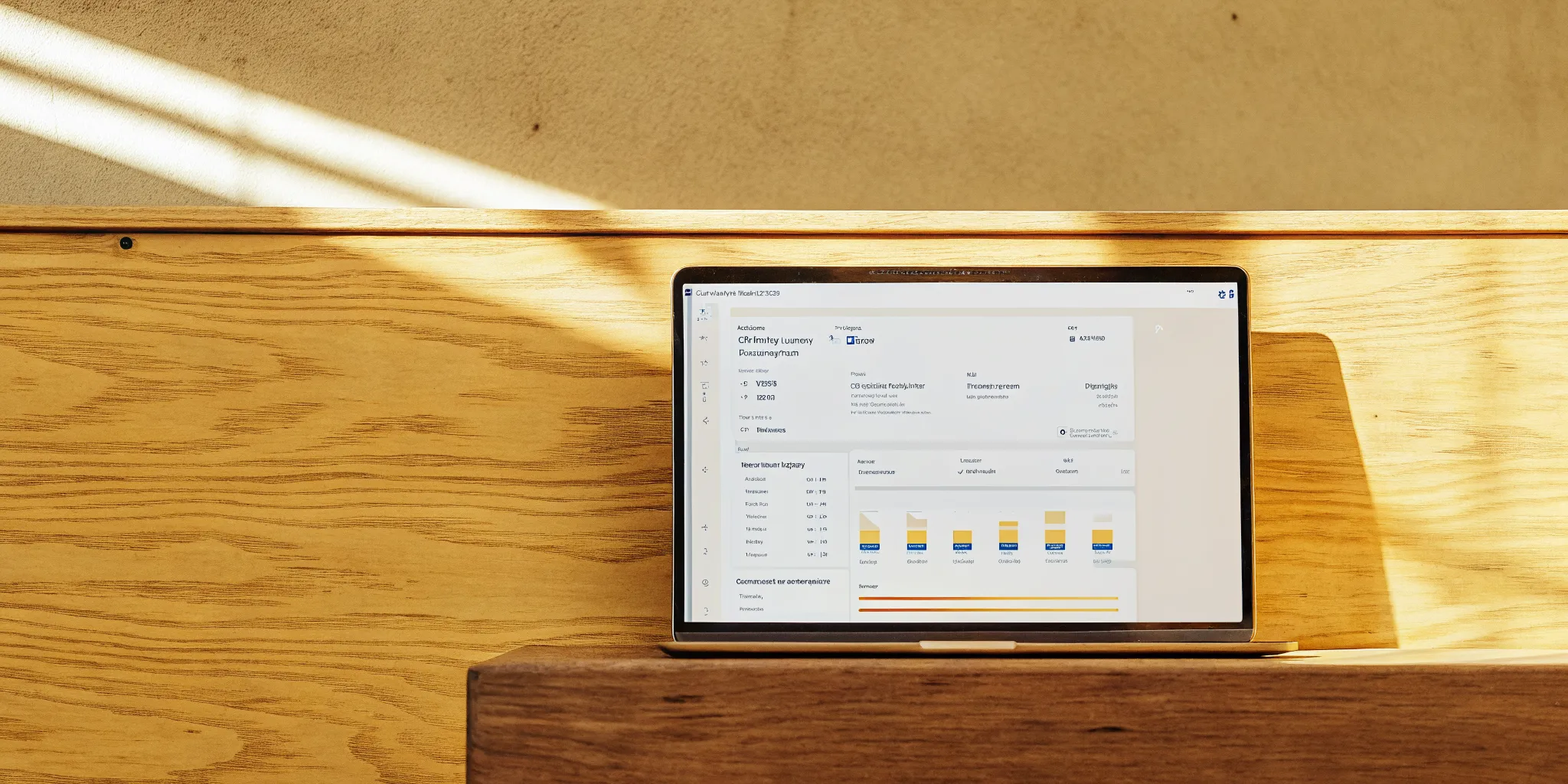
Vero AI professional compliance dashboard displaying data relevance and reliability metrics
Sufficiency: Measuring the amount of data
Sufficiency deals with the amount of proof an auditor finds. The total count of data needed depends on the risk of big errors. If the risk is high, the team needs more proof to be sure of the facts. For example, a tough set of rules may need more data than a simple check.
The risk tied to a control also shifts the amount of data needed. Auditors look at how likely a fail might be. A small risk needs less data, but a big risk needs a wide search. Note that more low-worth data does not fix a lack of worth. A big pile of poor data is still poor data.
Appropriateness: Ensuring quality and relevance
Appropriateness looks at the worth of the data. This covers two main parts: how well it fits the task and how much you can trust it. Relevant data helps an auditor check a specific claim. If the data does not match the claim, it has no use in the audit.
Trust comes from how the data was made and kept. Data from a source outside the firm is often more solid than data from inside the firm. Original files are better than copies. Teams should focus on audit evidence documentation that comes from direct checks. Personal knowledge from the auditor is also a strong form of proof.
The role of management claims
Leaders make claims about their firms in reports. Audit evidence must test these claims to see if they are true. These claims, or assertions, cover if a deal happened or if a firm owns an asset. The data should back up what leaders say about their internal checks.
Proof must also include info that shows when a claim is false. Auditors look at facts tied to valuation and disclosure. This helps confirm that all data in a report is fair and full. A firm's status rests on its ability to show its work.
Proof can be a record, a talk, or a look at a process. Digital data is also key today. But teams must check if digital files are real and safe. Using a mix of sources helps to build a full and true view of the firm.
The Traditional Evidence Collection Gap
Most firms still rely on manual steps to gather audit evidence. This old way often uses screenshots and spreadsheets to show that rules work. But this method only looks at a single moment in time. It fails to catch risks that happen between audit periods. Relying on old data can leave a firm open to big risks that teams do not see.
Manual work also costs a lot of time and money. Staff must log in to many tools to find the right files. They then save these files in folders that are hard to search. This slow process makes it tough to stay ready for a surprise check. A firm may think they are safe when they are actually not.
Point in time limits
In a standard audit, teams spend weeks picking data from many systems. They look for data used to reach ending notes for their reports. This manual work takes time and leads to errors. A small mistake in a screenshot can make the whole set of proof hard to trust.
Audit proof must show if leader claims are true. These claims cover things like how full the data is and its value. When teams use manual ways, they might miss data that conflicts with their goals. This creates a gap in the amount of proof needed to lower risk. Digital files also need extra checks to ensure they are real and safe.
Wait times also hurt the value of the proof. If data is old, it may not show the true state of the firm now. Fitness of proof depends on its speed and fairness. Old data lacks the fresh insight needed for modern risk. Teams often struggle to check digital files when they come from many sources. This makes the whole review process feel slow and risky.
Ongoing check benefits
Ongoing tools change how firms handle their rules. Instead of one check per year, systems track data every day. This shift helps teams stay ready for an audit at any time. It also reduces the stress of the yearly review cycle. Firms can find and fix gaps before they become big problems.
Vero AI uses a new tech design to give clear audit findings. This setup helps avoid the black box feel of some tech tools. It makes the proof easy for humans to read and trust. The platform uses a check module to keep the data right and clean. This helps meet large firm rule goals with less effort.
These tools also help with team trust. When data is always fresh, leaders know the true state of their risk. They do not have to wait for a report to see a gap. They can act fast to stop a small issue from growing. This keeps the firm safe and makes the audit team more helpful.
| Feature | Old Audit | Ongoing Audit |
|---|---|---|
| Timing | One time per year | Always on |
| Method | Manual screenshots | Auto data feeds |
| Trust. | Prone to human error | High through tech checks |
| Risk View | Looks at the past | Shows current state |
| Effort | Heavy manual work | Low manual work |
Modern rules need more than just one-time checks. Systems like PCAOB standards say proof must be fit and trusted. Ongoing tools meet these goals by keeping data fresh and valid. This helps firms meet complex rules like SOC 2 or HIPAA without the usual pain.
How Continuous Collection Strengthens Internal Controls
Sarbanes-Oxley (SOX) compliance relies on the strength of internal controls over financial reporting. Traditional testing often happens in cycles, which can lead to gaps in oversight and a rush for data. Continuous collection changes this by gathering audit evidence in real time. This method ensures that controls work as intended all year rather than just during a set test window.

Continuous compliance evidence collection dashboard highlighting real-time automated audit results
Moving Beyond the Quarterly Audit Crunch
Many teams face a heavy workload at the end of each quarter to prove their controls work well. They must find, check, and sort vast amounts of data to satisfy auditors. This manual approach increases the risk of error and missing documents. By using compliance evidence collection tools, firms can pull data as events occur. This reduces the stress of audit season and gives a more accurate view of risk.
Continuous monitoring also helps firms find issues early. When a control fails, the system flags the error right away. This allows for quick fixes before a small problem becomes a big risk to the financial reports. The PCAOB standards state that evidence should both support and potentially contradict management claims. Real-time data provides a full picture that meets these high standards of proof.
Improving Evidence Relevance and Reliability
The quality of evidence is just as important as the quantity. In the audit world, this is known as appropriateness. To be appropriate, data must be relevant and reliable. Evidence obtained directly by automated tools is often more trustworthy than manual logs. It removes human bias and reduces the chance of data entry mistakes. Firms can use evidence collection automation to keep these high levels of quality.
Automated tools also create a clear path for auditors to follow. They link specific data points back to the original source. This level of detail is vital for proving that a firm meets its legal duties. When auditors see a strong chain of custody for all digital records, they can complete their work faster. This leads to a smoother audit process and more trust in the final report.
Evaluating Evidence with Automated GRC Systems
Automated systems now help teams collect and check audit evidence. These platforms move beyond simple data storage. They use logic to sort files. This helps auditors find the right proof for their claims. By using these tools, firms can handle more data without adding more staff.
Modern GRC tools reduce the time spent on manual tasks. They pull data from many sources at once. This ensures that the evidence is fresh. It also helps teams stay ready for an audit at any time. Auditors can then focus on high-risk areas instead of basic data entry.
Validating Data Relevance and Reliability
Audit evidence must be both relevant and reliable. This mix of quality is called appropriateness. Audit standards shared by the University of Mississippi state that proof must support management claims. These claims often cover facts like existence, rights, and valuation.
Reliability often depends on the source. Proof from outside a company is usually more trusted than proof from inside. Automated tools can track where each file came from. This creates a clear trail for the auditor to follow. When assessing audit evidence, teams look for original files. Automated tools pull these files directly from the source to avoid errors.
Evidence can take many forms. This includes digital records, emails, and logs. Systems must verify electronic proof to ensure it has not been changed. Proper audit evidence documentation is key to a clean audit. It shows that the team followed the right steps to test each control.
Automating the Human Judgment Layer
Audit work often needs a human to judge the data. Newer systems help with this step. They use a structured setup to make choices. This process is clear so humans can see how the system reached a result. It removes the guesswork from complex tasks and keeps rules the same across the firm.
The goal is to keep the findings true. Some tools use a validation module to check for errors. This keeps compliance files free of false facts. It ensures that the proof is ready for a real audit. These systems do not just collect files. They also read what the files mean for each control. This helps find gaps before an outside auditor sees them.
Producing Explainable Audit Findings
Clear findings are vital for trust. Firm leaders need to know why a control passed or failed. Automated platforms link each finding back to the raw proof. This makes it easy for a Chief Compliance Officer to review the work. It also helps explain results to outside auditors in a clear way.
These systems support many frameworks like SOC 2 and ISO 27001. By automating the review, teams can stay ready for audits all year. This moves compliance from a once-a-year task to a daily habit. The result is a stronger, more data-driven risk plan. It allows firms to grow while keeping risks low.
How to Convert Raw Compliance Data into Explainable Audit Findings
Modern GRC teams deal with a flood of raw system data. They must turn this data into findings that audit teams can understand. A finding is more than just a data point. It is a reasoned judgment based on proof. This proof is known as audit evidence. It consists of all the info used to support a final opinion.
Moving from raw logs to a finding requires a structured process. You cannot just point to a list of logs and call it a finding. You must show how those logs relate to your firm's rules. This process is key for meeting standards like SOC 2 or ISO 27001. It ensures that every claim you make has a clear trail back to the source.
Organize scattered records
Raw data often lives in silos across the firm. You may have access logs in one tool and code changes in another. To build a clear finding, you must first bring these records together. This helps you see the whole picture of your control space. It also makes it easier to find gaps before an auditor does.
You must also check that the records are complete. If you miss even one log, your finding may be wrong. Use an automated platform to help pull these records in real time. This reduces the risk of human error and saves time for your risk team. It also builds a strong base for your audit evidence documentation. By grouping your data early, you can see patterns that might show a problem. This step saves time and helps you fix issues before they grow.
Evaluate for relevance
Not all data is useful for an audit. You must pick the data that is most relevant to the control you are testing. This is part of what experts call the quality of the proof. If a log does not directly show that a control worked, it is not helpful. You should focus on data that clearly shows a control was active.
You should also check for trust. Data from an outside source is often more trusted than data from inside the firm. This is why automated tools that pull data directly from systems are so useful. They provide a direct, clean trail that is hard to dispute. This leads to findings that are much easier to explain to a regulator. When you have a clear trail, you can show exactly where each piece of data came from. This builds a strong sense of trust in your final audit report.
- Collect raw logs. Pull records from your ERP, cloud, and HR tools to get a full view of your data.
- Map to controls. Match each piece of data to a specific rule or framework goal to show context.
- Test for relevance. Ensure the data actually proves the control is in place and active as expected.
- Apply validation. Use a neuro-symbolic architecture to check for errors or gaps in the records.
- Write the finding. State the result clearly and link it back to the source data for proof.
FAQs: What is Audit Evidence

Mike has spent two decades building enterprise AI systems and co-founded Vero AI to bring agentic AI into internal audit and compliance work. He focuses on how to translate professional auditor judgment into systems that are consistent, explainable, and defensible.