Material Weakness vs Significant Deficiency in SOX
Learn the difference between material weakness and significant deficiency under SOX. This guide explains SEC definitions, the three-tier severity hierarchy, and reporting rules for each deficiency type.

Evaluating control deficiencies under the Sarbanes-Oxley Act is a high-stakes task for financial leaders. Proper classification prevents public disclosure issues and builds trust with audit committees.
Schedule a demo of automated SOX control testing to see how continuous evidence evaluation helps your team classify deficiencies accurately.
The core difference in a material weakness vs significant deficiency lies in the severity of the internal control failure and its reporting requirements. According to SEC Release 33-8829, a material weakness is a severe deficiency that creates a reasonable possibility of a material misstatement in financial reports, requiring immediate public disclosure. A significant deficiency is less severe, meaning it does not pose a material threat but still merits oversight attention and must be reported privately to the audit committee.
When evaluating control severity, teams must systematically assess both the likelihood and magnitude of potential financial errors. Understanding this structured classification process is essential for compliance teams. The first step is examining the three levels of severity defined in the three-tier hierarchy of control deficiencies.
Material Weakness vs Significant Deficiency: The Three-Tier Hierarchy
To manage financial risk, businesses must evaluate their internal control over financial reporting (ICFR). The Committee of Sponsoring Organizations of the Treadway Commission (COSO) framework helps guide this process. When a control fails, teams must assess the severity of the issue. Regulators group these failures into a clear three-tier hierarchy to help teams evaluate risks accurately.

The Baseline: Control Deficiency
A control deficiency is the lowest tier in the hierarchy. It exists when the design or operation of a control does not allow management to prevent or detect misstatements on time. At this level, the risk is small. The issue does not yet pose a threat to the overall health of the financial statements. Most companies find and fix these minor issues during routine checks before they grow into larger problems.
The Mid-Tier: Significant Deficiency
A significant deficiency is a moderate control failure. The SEC defines it as a deficiency or combination of deficiencies that is less severe than a material weakness yet important enough to merit attention by those responsible for oversight of financial reporting. These issues require direct oversight from audit committees and external partners.
The Top Tier: Material Weakness
A material weakness is the most severe tier. The SEC defines it as a deficiency or combination of deficiencies where there is a reasonable possibility that a material misstatement will not be prevented or detected on a timely basis. This applies to both annual and interim financial statements. This failure represents a serious gap in financial protection. When a material weakness exists, management cannot declare their controls are effective. Teams must work quickly to analyze and correct the root cause of the error. Leaders can protect their reporting systems by evaluating control severity with reliable data.
How Do You Classify a Deficiency Using Likelihood and Magnitude?
When you evaluate a control issue, you must look at two main factors. These factors are likelihood and magnitude. Together, they help you decide if a control gap is a material weakness or a significant deficiency.
Likelihood of a Financial Misstatement
First, you must assess how likely it is that the control gap will cause a mistake in your financial reports. The PCAOB uses standards like AS 2201 to guide this review. These guidelines align with rules set by the SEC. Both groups look at FASB Statement No. 5 to define risk levels. Likelihood falls into three groups: remote, reasonably possible, and probable.
To classify an issue as a significant deficiency or a material weakness, the risk must be at least reasonably possible. If the chance of an error is remote, the gap is just a minor control deficiency. This distinction is vital when distinguishing significant deficiencies and material weaknesses during your annual audits.
Magnitude of the Potential Error
Second, you must look at how large the error could be. Do not just look at the size of the error that did happen. Instead, look at the largest possible error that could happen. This is the volume of transactions exposed to the failing control.
A control failure that lets a small error slip by might still be a material weakness. This occurs if the same gap could let a much larger error go undetected. Magnitude falls into two groups: immaterial and material. If a potential error could alter a key financial metric, it is material. If it is large but does not reach that level, it is often a significant deficiency.
Qualitative Factors in Severity Reviews
You cannot look at numbers alone. PCAOB standards require you to look at qualitative factors as well. These factors include the nature of the financial accounts, the risk of fraud, and how complex the transactions are. A failure in a high-risk area like revenue or cash is more severe than a gap in a simple administrative process.
Correct classification is a major challenge for public companies. In a December 2024 study, KPMG LLP found that 8 percent of public filers disclosed at least one material weakness in fiscal year 2024. The study also showed that 31 percent of companies with a weakness reported them in multiple consecutive years. These findings emphasize why you need clear and consistent processes for your assessments.
Struggling with deficiency classification? Request a demo of Vero AI to see how automated control testing reduces misclassification risk.
What Are the Disclosure Requirements for Each Deficiency Type?
When an organization finds issues in its ICFR, it must follow clear rules on who to tell. The regulation treats a material weakness vs significant deficiency in very different ways. These rules depend on how bad the issue is and who needs to know to keep financial records safe.
Public Disclosure for Material Weaknesses
A material weakness requires the highest level of public transparency. Under Exchange Act Rule 13a-15(c), the SEC requires management to evaluate the effectiveness of its ICFR at the end of each fiscal year. If a company finds even one material weakness, it cannot state that its ICFR is effective in its annual Form 10-K filing. This rule is set out in SEC Release 33-8810, which governs how public firms assess and report on their internal controls.
Management must describe the material weakness in detail in the public report. They must explain its impact on financial reporting and outline their plans to fix the issue. This public filing alerts investors, lenders, and regulators that there is a reasonable possibility of a major error in the company's financial statements.
Private Reporting for Significant Deficiencies
Unlike a material weakness, a significant deficiency does not require public disclosure in a Form 10-K filing. However, it still requires formal internal reporting. Under Exchange Act Rule 13a-14, management must disclose all significant deficiencies to both the external auditor and the audit committee of the board of directors. Keeping these reports private helps management fix control issues with oversight from the board before they grow into a larger problem.
Auditor Reporting to the Audit Committee
The duty to report control issues does not fall only on company management. External auditors have strict professional duties to report their findings. Under PCAOB Auditing Standard 2201, the external auditor must report all identified material weaknesses and significant deficiencies in writing to the audit committee. For entities that are not public, similar standards from the AICPA require auditors to report these issues to those in charge of governance.
Comparing the Reporting Paths
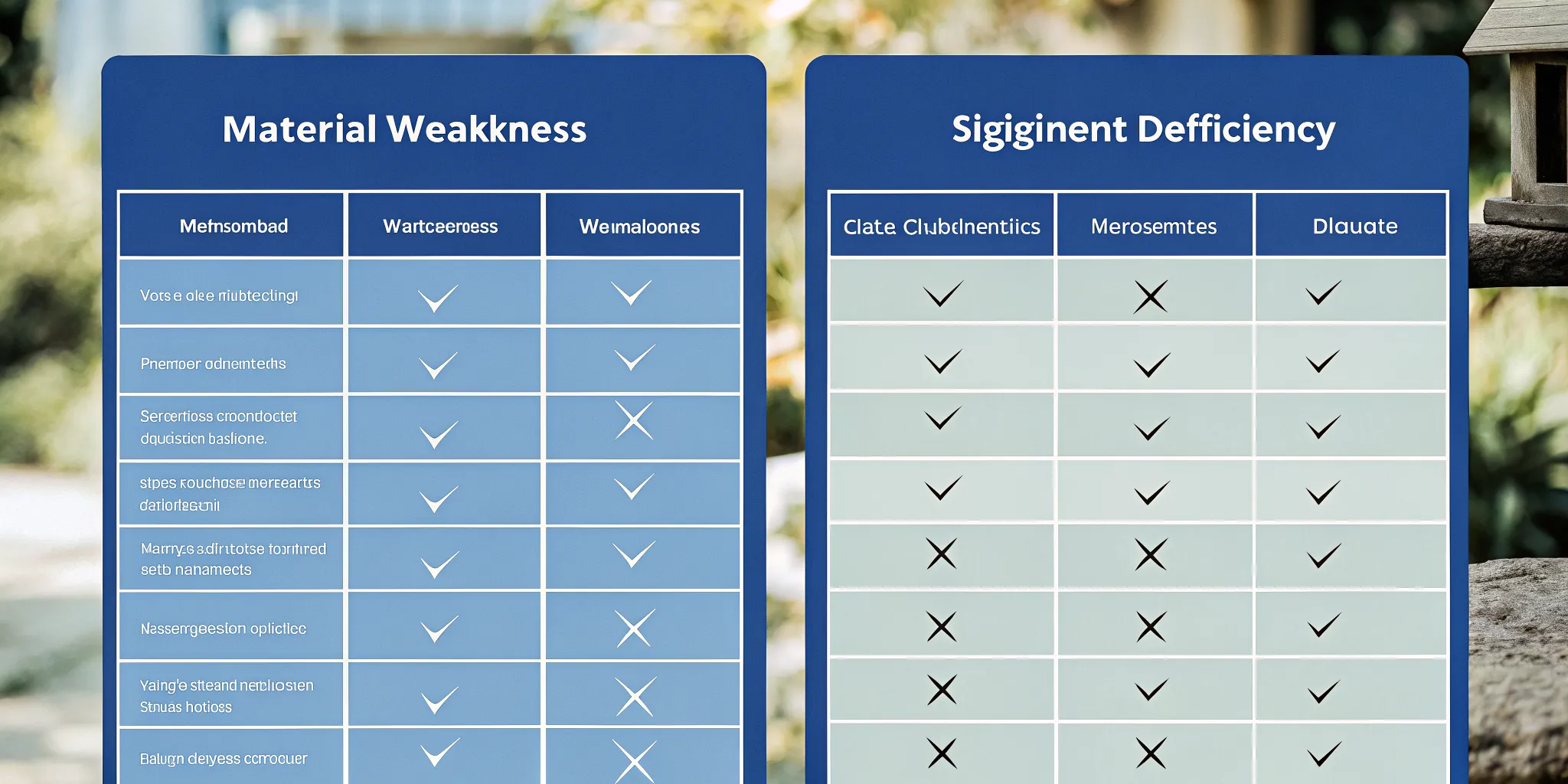
The reporting path for a deficiency depends entirely on its classification. The table below compares the disclosure duties, audience, and rules for both types of control failures.
| Reporting Criterion | Significant Deficiency | Material Weakness |
|---|---|---|
| Public Disclosure | No public disclosure is required. | Yes, must be disclosed in the annual Form 10-K report. |
| Impact on ICFR Effectiveness | The company can still state that its ICFR is effective. | The company cannot declare its ICFR to be effective. |
| Internal Audience | Must report to the audit committee and external auditor. | Must report to the audit committee and external auditor. |
| Primary Governing Rule | Exchange Act Rule 13a-14 and PCAOB AS 2201. | Exchange Act Rule 13a-15(c) and SEC Release 33-8810. |
How Should You Remediate a Control Deficiency?
Finding a control gap during continuous monitoring is only the first step. To maintain compliance, you must systematically resolve the issue. If your organization detects a gap, the distinction between a classifying control deficiencies issue as a material weakness vs significant deficiency will dictate your remediation urgency and timeline.
Deficiency Severity and Classification
The severity of an identified deficiency determines your corporate and public reporting duties. Under guidance from the PCAOB, management must determine if the gap represents a minor error, a significant deficiency, or a material weakness. Evaluating the classification immediately helps focus your engineering and audit teams on the most critical exposures.
A Mattel Case Study
A delay in remediation can have severe commercial and regulatory consequences. The toy manufacturer Mattel, Inc. disclosed a material weakness in its ICFR related to its information technology systems in its 2023 annual report. This delayed the timing of its regulatory filing. This case demonstrates why organizations cannot afford to let IT deficiencies linger without active remediation.
Remediation Steps
To design an effective fix, organizations should follow the formal guidance outlined in the Deloitte Accounting Research Tool (DART) Guide from October 2024. This framework ensures your remediation activities satisfy external auditors and regulatory bodies.
- Evaluate the severity of the deficiency. Analyze the financial accounts exposed to the control gap and determine if the potential error is material. Refer to the Deloitte DART Guide to classify the issue correctly.
- Identify the true root cause. Avoid applying quick cosmetic fixes to deep systemic problems. Examine whether the control failure stems from a design flaw, human operating error, or an underlying technology limitation.
- Design and implement a remediation plan. Assign clear operational owners to the remediation tasks and establish strict deadlines. Create new control activities or modify existing ones to prevent the gap from recurring.
- Test the remediated control. Do not assume a new control works simply because it is active. Run repeated testing cycles over several weeks to gather objective audit evidence of its operational consistency.
- Document the final evaluation. Create a clear, traceable paper trail that details the deficiency, the root cause analysis, the remediation steps, and the testing results. Submit this full package to your audit committee and external examiners.
Why Does Classification Accuracy Matter for Your SOX Program?
Accurate classification of control failures is vital for the health of any Sarbanes-Oxley compliance program. Distinguishing between a material weakness vs significant deficiency determines how an organization reports a failure and how much it costs to fix. Misclassifying an issue can lead to major problems. A company might fail to report a material weakness when it should. This error can result in restated financial reports, loss of investor trust, and civil actions from the SEC.
The Value of Early Identification
When an auditor finds a control issue early, they can classify it as a significant deficiency. This label allows the company to fix the control before it becomes a bigger issue. Correct classification keeps the audit team focused on the highest risks. It also ensures that the audit committee and external testers get clear, accurate data about the control environment. Teams that need structured evidence to support their classifications can use the continuous compliance auditing approach to capture findings between formal cycles.
How Automation Improves Control Testing
Using manual methods to test controls often leads to human errors and late findings. Modern platforms help teams maintain accuracy. For example, Vero AI provides software for automating SOX ICFR testing. This software collects evidence continuously rather than in quarterly batches. Continuous monitoring helps teams spot control failures between formal audit cycles, reducing the chance of an undetected material weakness. Audit teams can also reference the AI internal audit software evaluation guide when selecting tools to strengthen their compliance infrastructure.
Producing Explainable Audit Evidence
To support a classification, compliance teams need solid proof. Vero AI helps organizations build material weakness vs significant deficiency classification structures with clear audit trails. The platform generates explainable findings for internal auditors and external partners. This clear documentation ensures that both management and external auditors agree on control health, making the annual assessment process faster and more predictable.
Ready to Strengthen Your SOX Control Classification Process?
Maintaining regulatory readiness requires moving beyond point-in-time sampling toward continuous validation. Vero AI automates the testing of internal controls and the evaluation of compliance evidence, helping risk managers identify and remediate control drift before it impacts formal audits. Organizations can establish a consistent, verifiable record of compliance while reducing the manual burden on internal audit teams. Book a demo to see how automated evidence evaluation can strengthen your governance framework.
FAQs: Material Weakness vs Significant Deficiency in SOX

Eric has two decades of experience in enterprise technology and was a founder of Modern Hire, which became part of Hirevue in 2023. He co-founded Vero AI to bring agentic AI to internal audit and compliance teams.